
Tofu vs Paneer: Which Is Healthier?
When we think about healthy protein options, tofu and paneer often come to mind first. They look alike since both are soft, white blocks and work well in curries, stir-fries, and salads. However, they are quite different in terms of health and nutrition. Knowing these differences can help you pick what best fits your lifestyle and long-term health.
Paneer is made from milk, so it has the qualities of dairy. Its rich, creamy taste makes dishes feel filling and special. Paneer provides protein and calcium, but it also contains saturated fat and cholesterol. Eating it once in a while can fit into a balanced diet, but many paneer dishes use butter, cream, and oil, making them heavy and harder to digest every day.
Tofu is made from soybeans and is fully plant-based. It is created by curdling soy milk and pressing it into blocks, much like paneer, but the result is a lighter food. Tofu has no cholesterol, less fat, and is usually easier to digest. Its mild flavor lets it soak up spices and marinades, so it fits well in Indian, Asian, and fusion dishes without taking over the taste.
Nutritionally, both tofu and paneer give you protein, but they affect the body in different ways. Paneer has more calories and fat, which might not suit people managing their weight, cholesterol, or heart health. Tofu offers protein with fewer calories and feels lighter, making it a better daily choice for those wanting clean, lean energy. It is also a good option for anyone who is lactose intolerant or prefers plant-based foods.
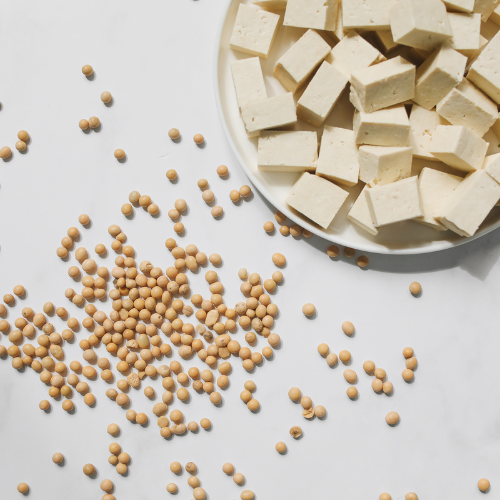
Digestion and heart health are also important differences. The saturated fats in paneer can raise cholesterol if eaten often, especially with rich gravies. Tofu, as a plant-based food, has healthier fats and supports heart health. Many people find that tofu feels lighter, does not cause bloating, and leaves them satisfied without feeling tired after eating.
Beyond health, there is also the environmental perspective. Tofu, being made from plants, requires fewer natural resources and has a smaller environmental footprint. Paneer, which depends on dairy production, needs more land, water, and animal resources. For people who care about sustainability, tofu becomes an ethical and eco-friendly alternative without compromising on taste or nutrition.
So which one is truly healthier? The honest answer is that tofu usually wins for everyday consumption. It offers clean plant protein, supports weight control, protects heart health, and is kind to digestion and the environment. Paneer is not “bad,” but it is better enjoyed occasionally, in mindful portions, rather than as a daily staple. Balance matters, and choosing lighter options more often can make a noticeable difference in how you feel.
In the end, the goal is not to completely remove foods you love, but to make wiser choices that support your health. Enjoy paneer when you crave it, but welcome tofu into your regular meals if you want something nourishing, gentle, and truly supportive of long-term wellness. Small dietary shifts today can create big benefits tomorrow — and tofu is a great place to start.
